Prediabetes in 2026: The Diagnosis Most People Ignore — and the Two Years That Decide Everything
Prediabetes affects one in three US adults and most do not know it. What the A1C numbers mean, what reverses it, and where metformin and CGMs fit.
By Symptom Advisory Editorial Team — last reviewed September 3, 2026 — 11 min read
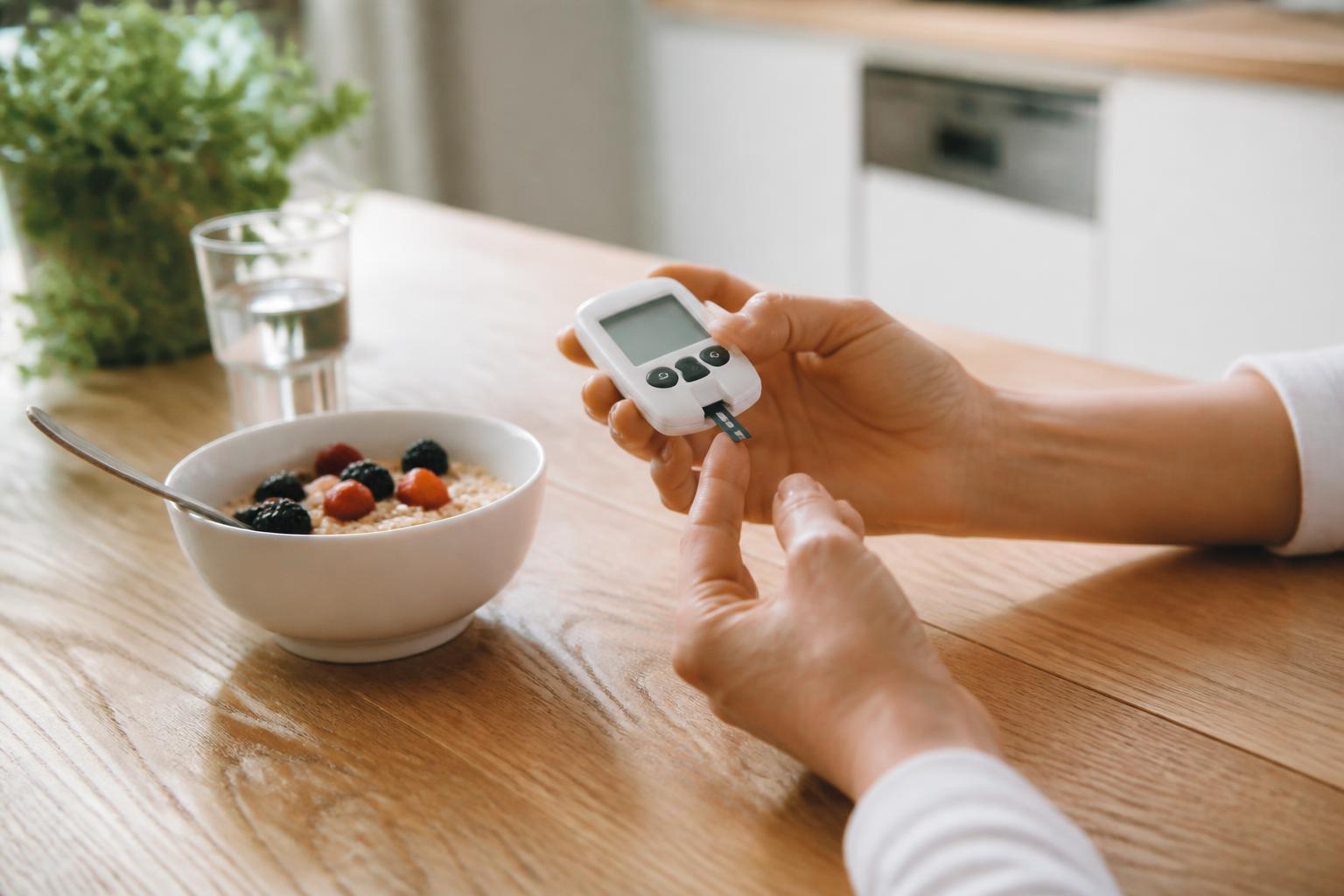
Key Takeaways
- One in three US adults has prediabetes and roughly 80% do not know it.
- Prediabetes is defined by A1C 5.7-6.4%, fasting glucose 100-125 mg/dL, or a 2-hour OGTT of 140-199 mg/dL.
- Untreated, 5-10% of people with prediabetes progress to type 2 diabetes each year.
- Intensive lifestyle change cut progression by 58% in the Diabetes Prevention Program - better than metformin at 31%.
- The target that produced that result was modest: 7% weight loss and 150 minutes of activity weekly.
- Resistance training twice a week is badly underrated; muscle is the body's largest glucose sink.
- A 10-15 minute walk after meals blunts post-meal glucose more than the same walk at another time.
- Metformin is worth discussing under age 60, with BMI 35+, A1C 6.0%+, or prior gestational diabetes.
About one in three American adults has prediabetes. Roughly eight in ten of them do not know it. That combination — extremely common, almost entirely silent — is why prediabetes gets treated as a footnote on a lab report rather than what it actually is: a window, usually a few years wide, in which the outcome is still genuinely negotiable.
Left alone, somewhere between 5 and 10 percent of people with prediabetes progress to type 2 diabetes each year. With a serious lifestyle programme, that rate drops by more than half. Those numbers come from one of the best-run trials in preventive medicine, and they have held up for two decades.
What the numbers mean
Three different tests define prediabetes, and they do not always agree with each other.
| Test | Normal | Prediabetes | Diabetes |
|---|---|---|---|
| Fasting plasma glucose | Under 100 mg/dL | 100–125 mg/dL | 126 mg/dL or above |
| A1C | Under 5.7% | 5.7–6.4% | 6.5% or above |
| 2-hour oral glucose tolerance test | Under 140 mg/dL | 140–199 mg/dL | 200 mg/dL or above |
A single abnormal result is not a diagnosis. It should be confirmed on a second occasion, ideally with the same test. The oral glucose tolerance test catches more people than A1C alone, particularly those whose post-meal glucose spikes long before their fasting number moves. A1C can also read falsely low in anaemia or after recent blood loss, and falsely high in iron deficiency.
If you are over 35, or over 18 with a body mass index above 25 plus one additional risk factor, screening is recommended — and repeated every three years if normal.
What is actually happening in the body
Insulin resistance comes first, often a decade before glucose rises. The pancreas compensates by producing more insulin, and for years it succeeds. Blood sugar only starts drifting upward when beta cells can no longer keep up. By the time a fasting glucose reads 110, a substantial share of beta-cell function may already be gone.
This is the part that reframes the whole diagnosis: prediabetes is not "almost diabetes." It is the visible end of a process that has been running quietly for years — and it is also the last stage at which beta-cell function tends to be recoverable.
The evidence for reversal
The Diabetes Prevention Program randomised over 3,200 adults with prediabetes to intensive lifestyle change, metformin, or placebo.
| Intervention | Reduction in progression to diabetes (3 years) | Notes |
|---|---|---|
| Intensive lifestyle programme | 58% | Most effective overall; 71% in adults over 60 |
| Metformin | 31% | Strongest in younger adults and those with BMI over 35 |
| Placebo | Reference | ~11% progressed per year |
Twenty-two-year follow-up showed the lifestyle group still had lower diabetes incidence and a delayed onset averaging several years. The target that produced this was not dramatic: 7 percent body weight loss and 150 minutes of moderate activity per week.
What moves the needle, ranked honestly
Weight loss of 5 to 7 percent. For a 200-pound adult, that is 10 to 14 pounds. This is the single strongest lever, and the benefit appears well before any cosmetic change.
Muscle contraction. Skeletal muscle absorbs glucose independent of insulin during exercise. Two effects matter here: 150 minutes a week of moderate aerobic activity, plus resistance training twice a week. Muscle is the largest glucose sink in the body, and most prediabetes advice underplays strength work badly.
Walking after meals. Small crossover trials consistently show that 10 to 15 minutes of walking after eating blunts the post-meal glucose rise more than the same walk taken at another time of day. It is the highest-yield, lowest-friction habit on this list.
Sleep. Restricting sleep to four or five hours for even a few nights measurably reduces insulin sensitivity in healthy volunteers. Untreated sleep apnoea is a common, correctable driver — worth screening for if you snore and wake unrefreshed.
Diet pattern, not diet religion. Mediterranean, low-carbohydrate, and high-fibre plant-forward patterns all show benefit in trials; direct comparisons rarely produce a clear winner. What consistently helps: fewer refined carbohydrates and sugar-sweetened drinks, more fibre (aim 25–35 g daily), protein at each meal, and no liquid calories.
Where metformin fits
The American Diabetes Association suggests considering metformin for people with prediabetes who are under 60, have a BMI of 35 or above, have an A1C of 6.0 percent or higher, or have a history of gestational diabetes. It is inexpensive, has decades of safety data, and mainly causes gastrointestinal side effects that extended-release formulations reduce.
It is not a replacement for the lifestyle work — in the trial it was distinctly less effective — and long-term use warrants periodic B12 monitoring.
GLP-1 receptor agonists reduce progression to diabetes substantially in trials of people with obesity, but weight regain after stopping is the norm and cost remains a barrier. In 2026 they are a reasonable option in prediabetes with obesity, not a first move for someone with an A1C of 5.8.
Should you buy a continuous glucose monitor?
Over-the-counter CGMs are now widely available without a prescription. For people with prediabetes, they can be genuinely instructive for two to four weeks: you learn which of your specific meals spike you, and you see what a post-meal walk does. Evidence that long-term CGM use improves outcomes in prediabetes is thin, and for some users it drives anxious food restriction. Use it as a teaching tool with an end date, not a permanent scoreboard.
Getting the follow-up right
Repeat A1C annually at minimum — every six months if you are close to 6.4 percent. Also check blood pressure and a lipid panel: prediabetes rarely travels alone, and cardiovascular risk begins rising before glucose crosses into the diabetic range. Ask about the CDC-recognised National Diabetes Prevention Program; it is the DPP protocol delivered in community and virtual formats, often covered by Medicare and many commercial plans.
The honest summary
Prediabetes is not a warning label, it is a deadline with flexible terms. Seven percent of your body weight, a strength session twice a week, a walk after dinner, and a real night's sleep beat every drug tested against them — and the two or three years after diagnosis are when that effort pays the most.
Reviewed by the Symptom Advisory Editorial Team. This article is for general information and does not replace individual medical advice.
Practical Checklist
- Confirm the diagnosis with a repeat test before acting on a single abnormal result
- Set a concrete 5-7% weight target rather than a vague goal
- Book 150 minutes of moderate activity into the week as appointments
- Add two resistance sessions weekly - bands, bodyweight or weights all count
- Walk 10-15 minutes after your largest meal
- Cut sugar-sweetened drinks entirely; they are the easiest single win
- Get sleep apnoea assessed if you snore and wake unrefreshed
- Ask your clinician about the CDC-recognised National Diabetes Prevention Program
- Repeat A1C in 6-12 months and check blood pressure and lipids at the same time
Frequently Asked Questions
Can prediabetes be reversed?
Often yes. Losing 5-7% of body weight combined with 150 minutes of weekly activity reduced progression to diabetes by 58% in the Diabetes Prevention Program, and many participants returned to normal glucose values.
What A1C level is prediabetes?
An A1C of 5.7 to 6.4 percent. Below 5.7 is normal and 6.5 or above meets the threshold for diabetes. A single result should be confirmed with a repeat test.
How fast does prediabetes turn into diabetes?
Without intervention, roughly 5 to 10 percent of people progress each year, so about a quarter to a third within five years. Lifestyle change more than halves that rate.
Should I take metformin for prediabetes?
It is worth discussing if you are under 60, have a BMI of 35 or above, an A1C of 6.0 percent or higher, or a history of gestational diabetes. It was less effective than lifestyle change in trials but is cheap and well studied.
Is a continuous glucose monitor useful for prediabetes?
As a two to four week learning tool it can show which meals spike you and how much a post-meal walk helps. Long-term outcome evidence in prediabetes is limited, and continuous use can drive anxious eating for some people.
Does walking after meals really lower blood sugar?
Yes. Small crossover studies consistently show that 10 to 15 minutes of walking after eating blunts the post-meal glucose rise more than the same walk at another time of day.
Sources & References
- Reduction in the Incidence of Type 2 Diabetes with Lifestyle Intervention or Metformin — New England Journal of Medicine link
- Standards of Care in Diabetes: Prevention or Delay of Diabetes — American Diabetes Association link
- Prediabetes - Your Chance to Prevent Type 2 Diabetes — Centers for Disease Control and Prevention link
- Screening for Prediabetes and Type 2 Diabetes: Recommendation Statement — US Preventive Services Task Force link
- Long-term follow-up of the Diabetes Prevention Program Outcomes Study — The Lancet Diabetes & Endocrinology link
- National Diabetes Prevention Program — Centers for Disease Control and Prevention link
Medical disclaimer
This article is health information for education only. It is not medical advice, a diagnosis or a treatment plan. In an emergency, call 911. Researched and drafted with AI-assisted tools and fact-checked by a human editor against the sources listed above. How we create our content.