Ozempic Alternatives 2026: What Actually Works (and What Doesn't)
Can't get semaglutide, can't afford it, or can't tolerate it? Here is what the evidence says about every realistic alternative in 2026 — other GLP-1 drugs, older weight-loss pills, supplements and non-drug programs — with honest effect sizes and US prices.
By Symptom Advisory Editorial Team — last reviewed September 1, 2026 — 6 min read
Key Takeaways
- Ozempic (semaglutide) is approved for type 2 diabetes; Wegovy is the same molecule approved for weight management. If cost or supply is the problem, the alternative you need depends on which of those two goals you have.
- In head-to-head trial data, tirzepatide (Mounjaro/Zepbound) produced greater average weight loss than semaglutide — roughly 20% vs 14% of body weight at 72 weeks in SURMOUNT-5.
- Older oral options (phentermine/topiramate, naltrexone/bupropion, orlistat) typically deliver about 5-10% weight loss — meaningful for blood pressure, lipids and diabetes risk, and far cheaper.
- No supplement matches GLP-1 drugs. Berberine trials show modest metabolic effects and roughly 2-4 lb differences at best; "nature's Ozempic" is marketing, not evidence.
- Compounded semaglutide is no longer permitted for routine sale in the US now that FDA shortages have resolved; products still being sold carry real quality and dosing risks.
- Structured lifestyle programs still average 5-8% weight loss in the first year and improve outcomes on top of any drug you take.
- Roughly half to two-thirds of the weight lost on a GLP-1 comes back within about a year of stopping, whichever drug you use.
- Talk to a prescriber before switching. Kidney disease, pancreatitis history, gallbladder disease, thyroid C-cell tumour history and pregnancy all change the safe options.
Semaglutide changed what people expect from weight-loss treatment. It also created three very common problems: it is expensive, it is not always covered, and a sizeable minority of people cannot tolerate the nausea. So "what else is there?" has become one of the most-searched health questions in the US.
The honest answer is that alternatives exist at every price point, but they are not equivalent. Below is what the evidence actually shows in 2026, sorted by how much they do.
First: which problem are you solving?
Ozempic is semaglutide approved for type 2 diabetes. Wegovy is the same molecule approved for chronic weight management. Rybelsus is oral semaglutide for diabetes.
That distinction matters because:
- If your goal is blood-sugar control, alternatives include other GLP-1 drugs, but also metformin, SGLT2 inhibitors (empagliflozin, dapagliflozin) and DPP-4 inhibitors — several of them generic and cheap.
- If your goal is weight loss, the realistic ladder is tirzepatide, then liraglutide, then older oral anti-obesity drugs, then structured lifestyle programs, then (a long way down) supplements.
Buying the wrong category is the most common expensive mistake here.
The strongest alternative: tirzepatide
Tirzepatide (Mounjaro for diabetes, Zepbound for weight management) is a dual GIP/GLP-1 receptor agonist. In SURMOUNT-5, the first direct head-to-head trial against semaglutide, participants on tirzepatide lost about 20% of body weight at 72 weeks versus about 14% on semaglutide.
What that means in practice:
- It is generally the more effective option, not merely a substitute.
- Side-effect profile is similar: nausea, vomiting, diarrhoea, constipation, mostly during dose escalation.
- Coverage is the same fight. Many commercial plans cover the diabetes indication and exclude the obesity one; Medicare Part D still cannot cover drugs prescribed purely for weight loss.
- Both manufacturers now run direct-to-patient vial programs that cut cash prices substantially compared with pen list prices. Ask specifically about them — pharmacies do not offer them unprompted.
Liraglutide: the cheap GLP-1 that people forget
Liraglutide (Victoza for diabetes, Saxenda for weight) is a daily injection and the first GLP-1 to go generic in the US. Average weight loss is smaller — in the region of 5-8% — and the daily injection is less convenient. But if cost is the binding constraint, a generic GLP-1 at a fraction of semaglutide's price beats no GLP-1 at all.
Older oral drugs: unglamorous, affordable, real
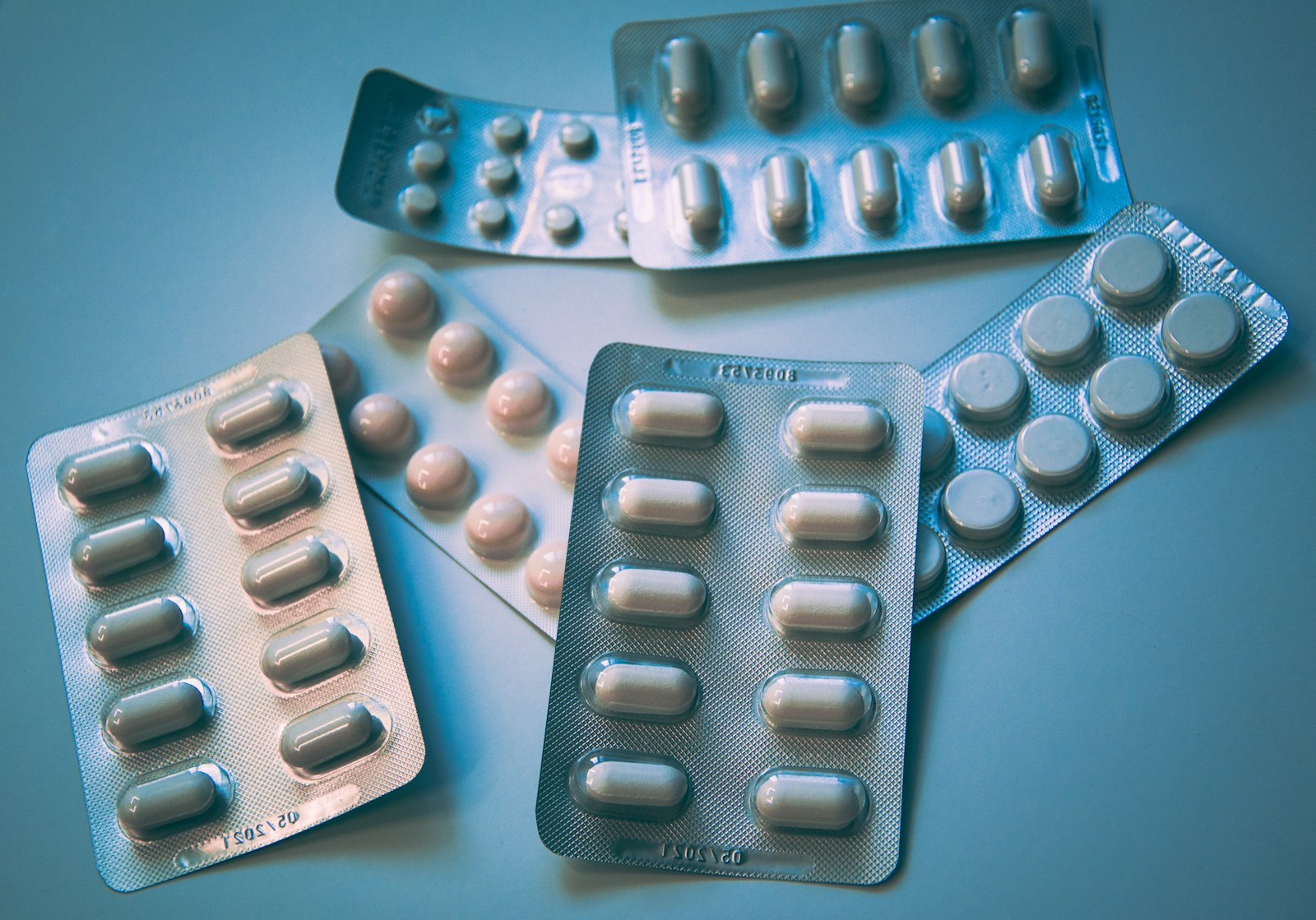
These are approved anti-obesity medications that predate the GLP-1 era. Typical results cluster around 5-10% body weight, which is enough to move blood pressure, triglycerides and diabetes risk.
- Phentermine/topiramate (Qsymia) — the most effective of the older orals, roughly 8-10% in trials. Not for people who are pregnant, have glaucoma or uncontrolled hypertension.
- Naltrexone/bupropion (Contrave) — roughly 5-6%; may help people whose problem is food-related craving. Carries a boxed warning about suicidal ideation with bupropion.
- Phentermine alone — generic, often under $30 a month, approved for short-term use, still widely prescribed by obesity clinics.
- Orlistat (Xenical, OTC as Alli) — roughly 3-5%, works by blocking fat absorption; the gastrointestinal side effects are the reason most people stop.
- Metformin — not an obesity drug, but in the Diabetes Prevention Program it produced modest weight loss and a 31% reduction in progression to type 2 diabetes. Cheap and well understood.
Supplements: manage your expectations
Berberine is the one people ask about, because social media christened it "nature's Ozempic". The trial literature shows modest improvements in fasting glucose and lipids and, at best, a couple of pounds of difference in weight — nowhere near GLP-1 territory, and studies are mostly small and short.
Other commonly marketed options — green tea extract, garcinia, glucomannan, apple cider vinegar — have either tiny effect sizes or unreliable evidence. Supplements are also not reviewed by the FDA for effectiveness before sale, and independent testing repeatedly finds label inaccuracies.
That does not make them useless for other reasons, but if someone sells you a capsule as an Ozempic replacement, that claim is not supported.
Compounded semaglutide: mostly closed, still risky
During the 2023-2025 shortages, compounding pharmacies were permitted to make semaglutide copies, and a large telehealth market grew around them. Once FDA declared the shortages resolved, that permission ended for routine mass compounding. Products still circulating raise three practical problems: uncertain potency, dosing errors when patients draw from vials themselves, and no recall pathway if something is wrong. The FDA has logged adverse events tied to dosing mistakes with compounded versions.
If you are using one, at minimum know the compounding pharmacy's name and licence, and confirm the concentration in mg/mL before every dose.
Non-drug approaches that genuinely move the number
- Structured intensive behavioural programs (weekly contact, food logging, coaching) average 5-8% weight loss in the first year — the USPSTF recommends them, and many are covered by insurance and Medicare.
- Resistance training plus higher protein intake does not add much to the scale, but it protects lean mass, which is exactly what rapid pharmacological weight loss threatens.
- Sleep and alcohol are the two unglamorous levers people skip; both alter appetite regulation and calorie intake measurably.
- Bariatric surgery remains the most effective option overall, with 25-30% total weight loss sustained for years and strong diabetes-remission data. It is major surgery, but for a BMI over 35 with comorbidities it usually outperforms every drug on this page.
What happens when you stop
This applies to every drug here. In the STEP-1 extension, participants regained roughly two-thirds of the weight they had lost within a year of stopping semaglutide, and cardiometabolic improvements reverted with it. Plan for treatment to be ongoing, or plan for the maintenance phase deliberately. "Take it for three months and be done" is not how these medicines work.
How to choose, practically
- Name your goal (glucose, weight, or both) and write it down.
- Check coverage for tirzepatide and liraglutide before assuming you are priced out.
- If GLP-1s are genuinely out of reach, ask about phentermine/topiramate or metformin rather than nothing.
- Treat supplements as optional extras, not substitutes.
- Add resistance training and protein regardless of which route you take.
- Set a review date with labs, so you can judge results on data rather than mood.
When to talk to a clinician first
Get medical advice before starting or switching if you have a history of pancreatitis, gallbladder disease, medullary thyroid carcinoma or MEN2, significant kidney disease, an eating disorder, or if you are pregnant, breastfeeding or planning pregnancy. Seek urgent care for severe persistent abdominal pain (a possible sign of pancreatitis), signs of dehydration from prolonged vomiting, or symptoms of very low blood sugar if you also take insulin or a sulfonylurea.
Practical Checklist
- Write down your actual goal: diabetes control, weight loss, or both. The right alternative differs.
- Check your plan's formulary for tirzepatide and for older orals before assuming nothing is covered.
- Ask the pharmacy for the cash price of phentermine and metformin — both are usually under $30/month generic.
- Ask your prescriber whether a manufacturer savings program or a direct-to-patient vial program applies to you.
- If you are considering a compounded product, ask who made it, under what licence, and how the dose is measured.
- Book labs (A1c, lipids, kidney function) before starting anything, so you can tell whether it is working.
- Plan the protein and resistance-training side now — muscle loss is the main downside of rapid weight loss.
- Agree a stop-and-maintain plan with your prescriber before you start, not after.
Frequently Asked Questions
What is the closest thing to Ozempic?
Tirzepatide (Mounjaro/Zepbound) is the closest comparable prescription option and, in the SURMOUNT-5 head-to-head trial, produced greater average weight loss than semaglutide. Liraglutide is the cheapest GLP-1 alternative but is less effective and injected daily.
Is there a pill that works like Ozempic?
Oral semaglutide (Rybelsus) exists for type 2 diabetes, and higher-dose oral formulations for weight have been studied. Among older pills, phentermine/topiramate is the most effective, typically producing 8-10% weight loss versus roughly 15% for injectable semaglutide.
Does berberine really work like Ozempic?
No. Trials show modest improvements in fasting glucose and cholesterol and, at most, a few pounds of weight difference. It works through different mechanisms and is not a substitute for a GLP-1 receptor agonist.
Can I still buy compounded semaglutide?
Routine mass compounding of semaglutide ended once FDA declared the shortage resolved. Products still being marketed carry risks around potency, self-measured dosing and the absence of a recall pathway. Discuss any compounded product with a prescriber or pharmacist first.
What is the cheapest option that actually works?
Generic phentermine and metformin are usually under $30 a month, and structured lifestyle programs are often covered by insurance. Both deliver smaller results than GLP-1 drugs but are meaningfully better than nothing.
Will insurance cover an alternative if it will not cover Ozempic?
Sometimes. Many plans exclude drugs prescribed for weight loss but cover the same molecule for type 2 diabetes, and older oral anti-obesity drugs are often on formulary at low tiers. Ask your plan for the exclusion language in writing before you switch.
Do I regain the weight if I stop?
Usually a large share of it. In the STEP-1 extension, participants regained roughly two-thirds of the lost weight within a year of stopping, and metabolic improvements reverted. Plan for maintenance rather than a short course.
Is bariatric surgery better than these drugs?
On average it produces the largest and most durable weight loss — around 25-30% — with strong diabetes-remission data. It is also surgery with its own risks and lifelong nutritional follow-up, so it is a decision to make with a specialist team.
How do I avoid losing muscle?
Combine any weight-loss treatment with resistance training two to three times a week and adequate protein intake. Rapid weight loss without those two elements costs a disproportionate share of lean mass.
Sources & References
- Tirzepatide versus Semaglutide Once Weekly in Patients with Obesity (SURMOUNT-5) — New England Journal of Medicine link
- Once-Weekly Semaglutide in Adults with Overweight or Obesity (STEP 1) — New England Journal of Medicine link
- Weight regain and cardiometabolic effects after withdrawal of semaglutide (STEP 1 extension) — Diabetes, Obesity and Metabolism link
- Prescription Medications to Treat Overweight and Obesity — National Institute of Diabetes and Digestive and Kidney Diseases (NIDDK) link
- FDA's Concerns with Unapproved GLP-1 Drugs Used for Weight Loss — U.S. Food and Drug Administration link
- Reduction in the Incidence of Type 2 Diabetes with Lifestyle Intervention or Metformin (DPP) — New England Journal of Medicine link
- Behavioral Weight Loss Interventions to Prevent Obesity-Related Morbidity and Mortality in Adults — U.S. Preventive Services Task Force link
- Efficacy of berberine in patients with type 2 diabetes: a systematic review and meta-analysis — Journal of Ethnopharmacology / PubMed link
- Bariatric Surgery Procedures and Outcomes — American Society for Metabolic and Bariatric Surgery link
Medical disclaimer
This article is health information for education only. It is not medical advice, a diagnosis or a treatment plan. In an emergency, call 911. Researched and drafted with AI-assisted tools and fact-checked by a human editor against the sources listed above. How we create our content.