Berberine: Nature's Ozempic? What the Science Actually Says (2026)
Berberine has exploded on TikTok as a cheap alternative to Ozempic. Here's what randomized trials, dose data, and safety reviews actually show for blood sugar, cholesterol, and weight in 2026.
By Symptom Advisory Editorial Team — last reviewed September 1, 2026 — 10 min read
Key Takeaways
- Berberine lowers HbA1c by 0.5-0.7 points and fasting glucose by 14-18 mg/dL in type 2 diabetes - comparable but slightly weaker than metformin.
- It is NOT a natural Ozempic: average weight loss is about 2 kg over 3-6 months versus 15 kg with semaglutide.
- LDL cholesterol typically drops 20-25 mg/dL on 500 mg twice daily - useful for mild elevations, not a statin replacement.
- The effective dose in trials is 500 mg three times daily with meals; allow 12 weeks before judging effect.
- Do not combine with insulin, sulfonylureas, or use in pregnancy, breastfeeding, or children. Significant drug interactions via CYP3A4.
What Berberine Actually Is — and Why It Went Viral
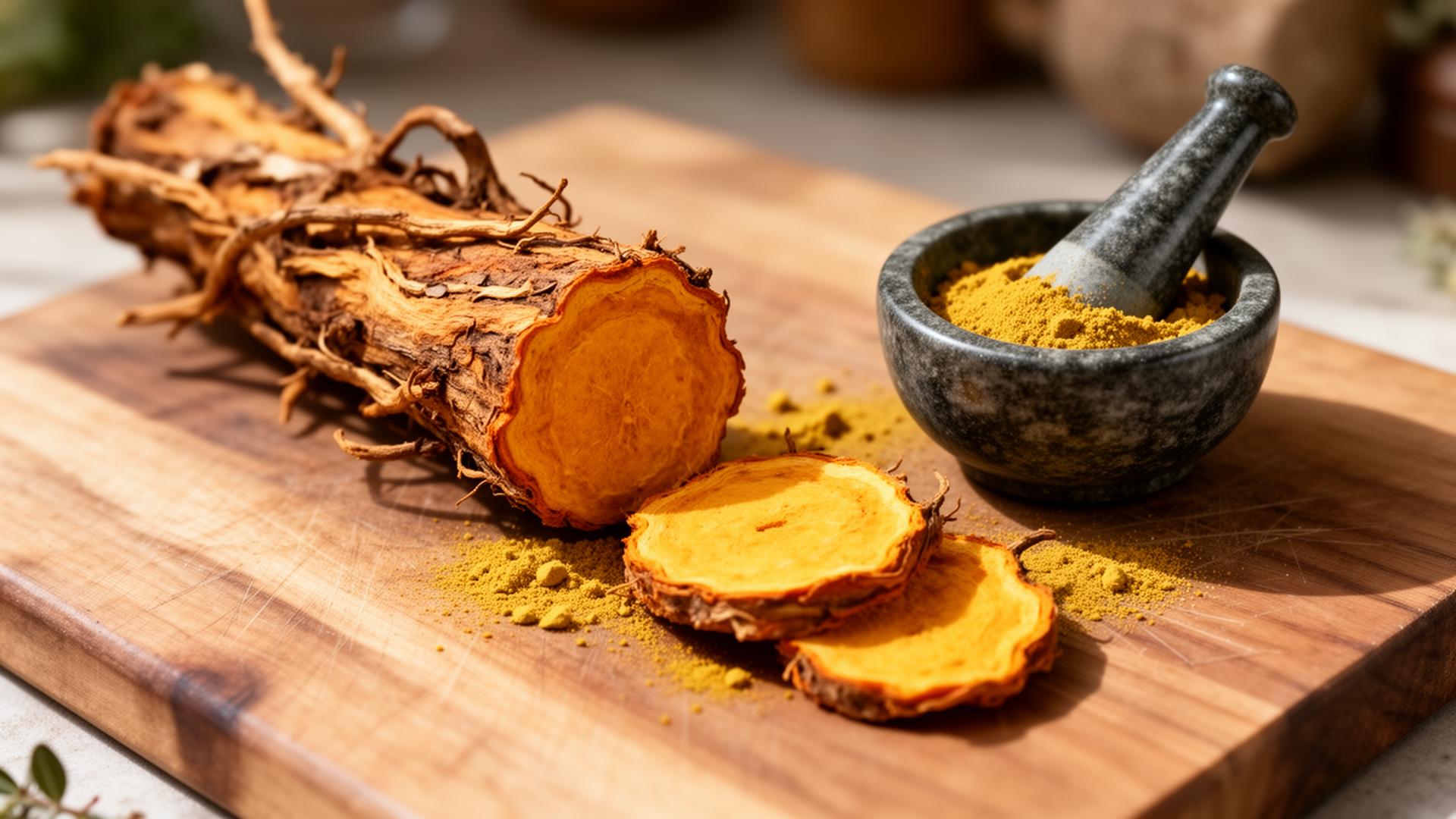
Berberine is a bright yellow alkaloid extracted from plants like Berberis aristata (Indian barberry), Oregon grape, and goldenseal. Chinese and Ayurvedic medicine have used berberine-containing herbs for more than 1,500 years, mostly for diarrhea and infection. The modern interest is much newer: starting in 2008, a wave of randomized trials showed that 1,000–1,500 mg per day lowered fasting glucose and HbA1c in people with type 2 diabetes by amounts that were, milligram for milligram, surprisingly close to first-line oral medications.
That history sat quietly in the supplement aisle until mid-2023, when TikTok creators began calling berberine "nature's Ozempic" and claiming it produced GLP-1-like weight loss for $20 a month. Sales surged more than 1,000% in some retailers within weeks. Three years later the hype has cooled — but berberine is still one of the most-searched supplements in the United States, and the underlying science is genuinely interesting once you separate it from the marketing.
This guide walks through what berberine does mechanistically, what the human trials actually show for glucose, cholesterol and weight, where the comparison with GLP-1 drugs holds up and where it falls apart, and how to use it safely if your clinician agrees it's appropriate.
Editor's note: Berberine is sold as a dietary supplement in the U.S. and is not FDA-approved to prevent, treat, or cure any disease. Nothing here is medical advice. Talk to your doctor before adding it, especially if you take prescription medications.
How Berberine Works in the Body
Most of berberine's metabolic effects trace back to a single enzyme: AMP-activated protein kinase (AMPK). AMPK is sometimes called the cell's "fuel gauge" — when energy is low, it switches cells from storing fat and glucose to burning them. Metformin, exercise, and caloric restriction all activate AMPK, and berberine does too, through a slightly different upstream pathway.
Downstream effects that have been documented in human or high-quality animal studies include:
- Increased insulin sensitivity in muscle and liver, leading to lower fasting glucose
- Reduced hepatic glucose production (the liver makes less sugar overnight)
- Upregulation of LDL receptors in liver cells, which pulls LDL cholesterol out of the bloodstream
- Shifts in gut microbiota toward bacteria associated with better glucose tolerance
- Mild inhibition of intestinal alpha-glucosidase, slowing carbohydrate absorption after meals
That mechanism profile overlaps with metformin much more than with semaglutide. Ozempic and Wegovy work primarily by mimicking the GLP-1 hormone, which slows gastric emptying, increases satiety in the brain, and stimulates insulin release only when glucose is elevated. Berberine does not meaningfully bind GLP-1 receptors. The "nature's Ozempic" framing is, at the biochemical level, inaccurate.
What the Evidence Says: Blood Sugar
This is berberine's strongest evidence base. A 2022 systematic review in Frontiers in Pharmacology pooled 46 randomized trials covering more than 4,000 adults with type 2 diabetes or prediabetes. Berberine at 0.9–1.5 g/day for 8–24 weeks lowered:
- Fasting plasma glucose by an average of 0.8–1.0 mmol/L (about 14–18 mg/dL)
- HbA1c by 0.5–0.7 percentage points
- Post-meal glucose by roughly 2 mmol/L (36 mg/dL)
For comparison, metformin at standard doses lowers HbA1c by 1.0–1.5 percentage points in the same population. So berberine is in the same conversation as a real diabetes medication, though usually a bit less powerful, and the trials are smaller and shorter than metformin's decades of data. Most studies were conducted in China; we still lack a large, multi-year U.S. trial.
For people without diabetes, the picture is murkier. Small studies in people with metabolic syndrome or polycystic ovary syndrome (PCOS) show modest improvements in fasting insulin and HOMA-IR (an insulin resistance score). If your fasting glucose is already 85 mg/dL, expecting berberine to push it lower in a meaningful way is unrealistic — the regression-to-the-mean ceiling is low.
What the Evidence Says: Cholesterol
Berberine's cholesterol effect was actually discovered before its glucose effect. A 2004 paper in Nature Medicine identified it as a non-statin LDL-lowering compound, working through a different liver mechanism (LDL receptor upregulation via ERK activation, rather than HMG-CoA reductase inhibition).
Meta-analyses since then suggest that 500 mg twice daily lowers:
- LDL cholesterol by roughly 20–25 mg/dL on average
- Total cholesterol by about 25 mg/dL
- Triglycerides by 30–45 mg/dL
- HDL changes are inconsistent — sometimes a small rise, sometimes none
That LDL drop is roughly half what a moderate-intensity statin like atorvastatin 20 mg achieves, but with a different side effect profile. For people who cannot tolerate statins or whose LDL is mildly elevated but not high enough to trigger guideline-directed therapy, this is a credible option to discuss with a clinician — not a replacement for statins in established cardiovascular disease.
What the Evidence Says: Weight Loss
This is where the TikTok narrative gets oversold. A 2020 meta-analysis of 12 randomized trials (n ≈ 700) found that berberine reduced body weight by an average of 2.07 kg (4.6 lb) and waist circumference by about 2 cm over 8–24 weeks. That is real, but it is not Ozempic. Semaglutide 2.4 mg (Wegovy) produces an average weight loss of 14–15% of body weight (roughly 15 kg / 33 lb in a 100 kg adult) over 68 weeks in the STEP trials. Tirzepatide (Zepbound) is higher still.
So in practical terms:
- Berberine ≈ 2 kg / 4–5 lb average loss over 3–6 months
- Semaglutide ≈ 15 kg / 33 lb average loss over 16 months
- Tirzepatide ≈ 22 kg / 48 lb average loss over 16 months
Berberine sits closer to a placebo-corrected weight loss from cinnamon or apple cider vinegar than to a GLP-1 drug. It can be a useful nudge inside a broader plan — better sleep, more protein, a walking habit — but as a standalone "weight loss supplement" the realistic ceiling is low single-digit pounds.
Berberine vs Ozempic vs Metformin at a Glance
The table below summarizes typical outcomes from peer-reviewed trials and cost ranges from 2026 U.S. cash-pay markets. Numbers are averages — individual response varies widely.
Safety, Side Effects and Drug Interactions
Berberine is generally well tolerated but it is not "just a vitamin." The most common issues are gastrointestinal: constipation, diarrhea, gas, abdominal cramping, and a metallic taste, reported in roughly 20–35% of users in trials. Most resolve within 1–2 weeks or with dose reduction.
More serious considerations:
- Drug interactions. Berberine inhibits cytochrome P450 enzymes (especially CYP3A4 and CYP2D6) and P-glycoprotein. This can raise blood levels of statins, cyclosporine, tacrolimus, some blood pressure medications, anticoagulants like warfarin, and a long list of others. Always run it past a pharmacist if you take prescription drugs.
- Hypoglycemia risk. Combining berberine with insulin or sulfonylureas can drive blood sugar dangerously low. Most endocrinologists advise against this combination outside of monitored settings.
- Pregnancy and breastfeeding. Berberine crosses the placenta and may displace bilirubin from albumin, raising kernicterus risk in newborns. Do not use during pregnancy or while breastfeeding.
- Children. Avoid; safety data in pediatrics is essentially absent.
- Liver disease. Caution warranted — berberine is metabolized hepatically and a small number of case reports describe transient liver enzyme elevations.
- Bioavailability. Standard berberine has very poor oral absorption (under 5%). Newer formulations like dihydroberberine and phytosomal berberine claim 5–10× better absorption at lower doses, but head-to-head outcome data is still limited.
Who Might Actually Benefit
Based on the existing evidence, people most likely to see meaningful results are:
- Adults with prediabetes (fasting glucose 100–125 mg/dL, HbA1c 5.7–6.4%) who do not yet qualify for metformin and want to stack a supplement onto diet and exercise changes.
- People with type 2 diabetes who cannot tolerate or refuse metformin — only under a clinician's supervision.
- Adults with mildly elevated LDL cholesterol (130–160 mg/dL) and low-to-moderate 10-year cardiovascular risk who are not yet on a statin.
- PCOS patients whose endocrinologist is targeting insulin resistance without prescription medication.
- People with metabolic syndrome who already have lifestyle change in motion and want a low-cost adjunct.
People who should not take berberine without medical guidance: anyone pregnant, breastfeeding, under 18, with significant liver or kidney disease, on multiple prescription medications, on insulin or sulfonylureas, or scheduled for surgery within two weeks (stop at least 14 days before).
How to Take It if Your Clinician Agrees
If you and your doctor decide berberine is appropriate, the dosing used in most positive trials is:
- Standard berberine HCl: 500 mg, three times per day, taken with meals
- Total daily dose: 1,500 mg
- Start at 500 mg once daily for 5–7 days to gauge GI tolerance, then ramp up
- Take with food to reduce stomach upset and improve absorption
- Allow 8–12 weeks before judging glucose or lipid effects; re-check labs at week 12
For dihydroberberine or phytosomal forms, follow the manufacturer's lower dose (typically 100–200 mg twice daily) — but recognize that fewer trials support these specific products.
Choosing a product. The supplement industry is poorly regulated. Look for:
- A third-party certification mark (USP, NSF, or ConsumerLab) on the label
- A clear standardized berberine content (e.g., "97% berberine HCl")
- No proprietary blends that hide the dose
- A reputable manufacturer with a published Certificate of Analysis available on request
Expect to pay $15–$35 per month for a quality standard berberine, or $40–$70 for dihydroberberine.
What to Track While You're Taking It
If you start berberine, don't fly blind. Reasonable things to measure:
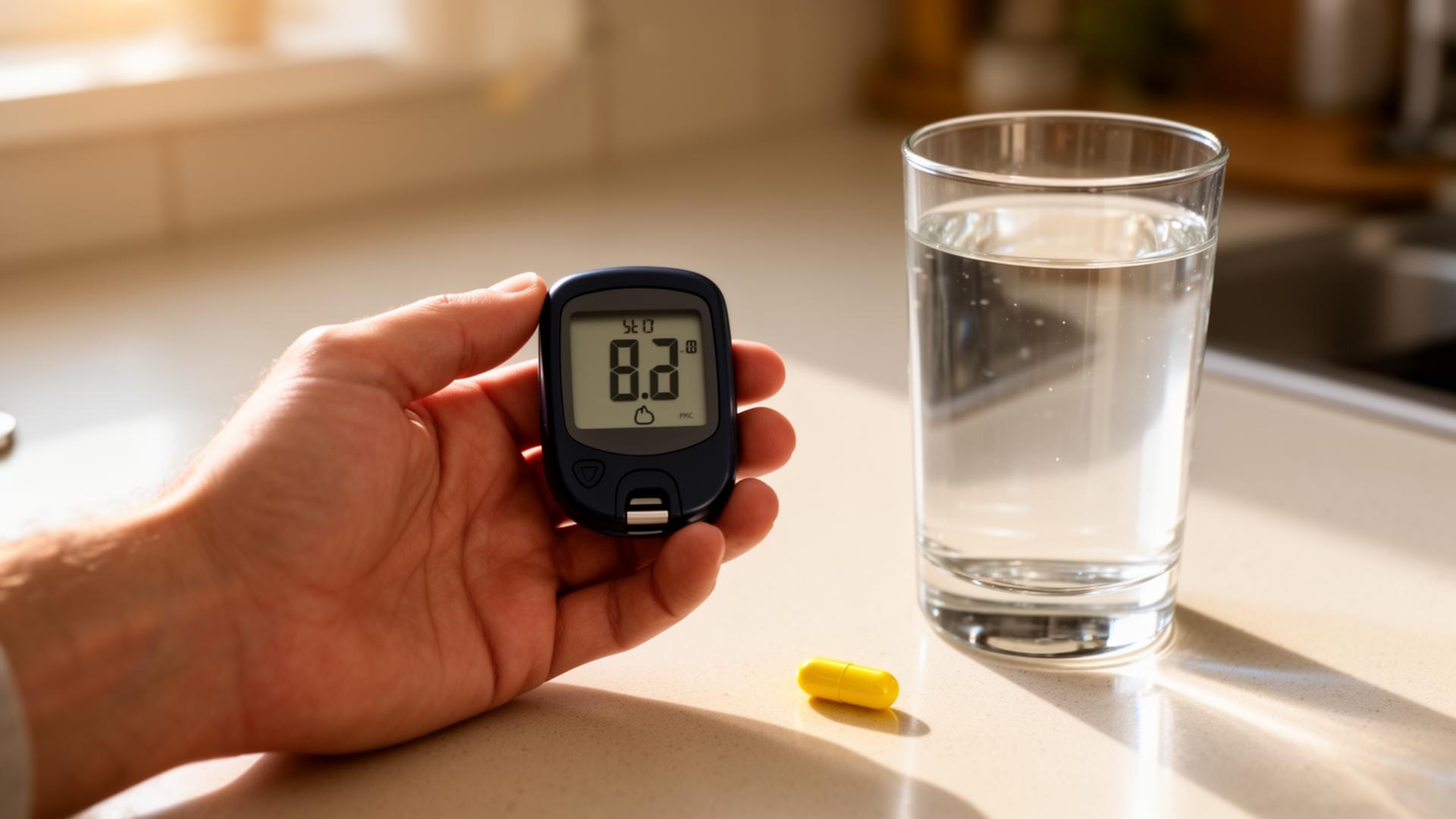
- Fasting glucose at home 2–3 mornings per week (a $20 meter is fine)
- HbA1c at baseline and at 12 weeks via your clinician
- Lipid panel at baseline and 12 weeks
- Liver enzymes (ALT, AST) at baseline and 12 weeks if you take any other medication
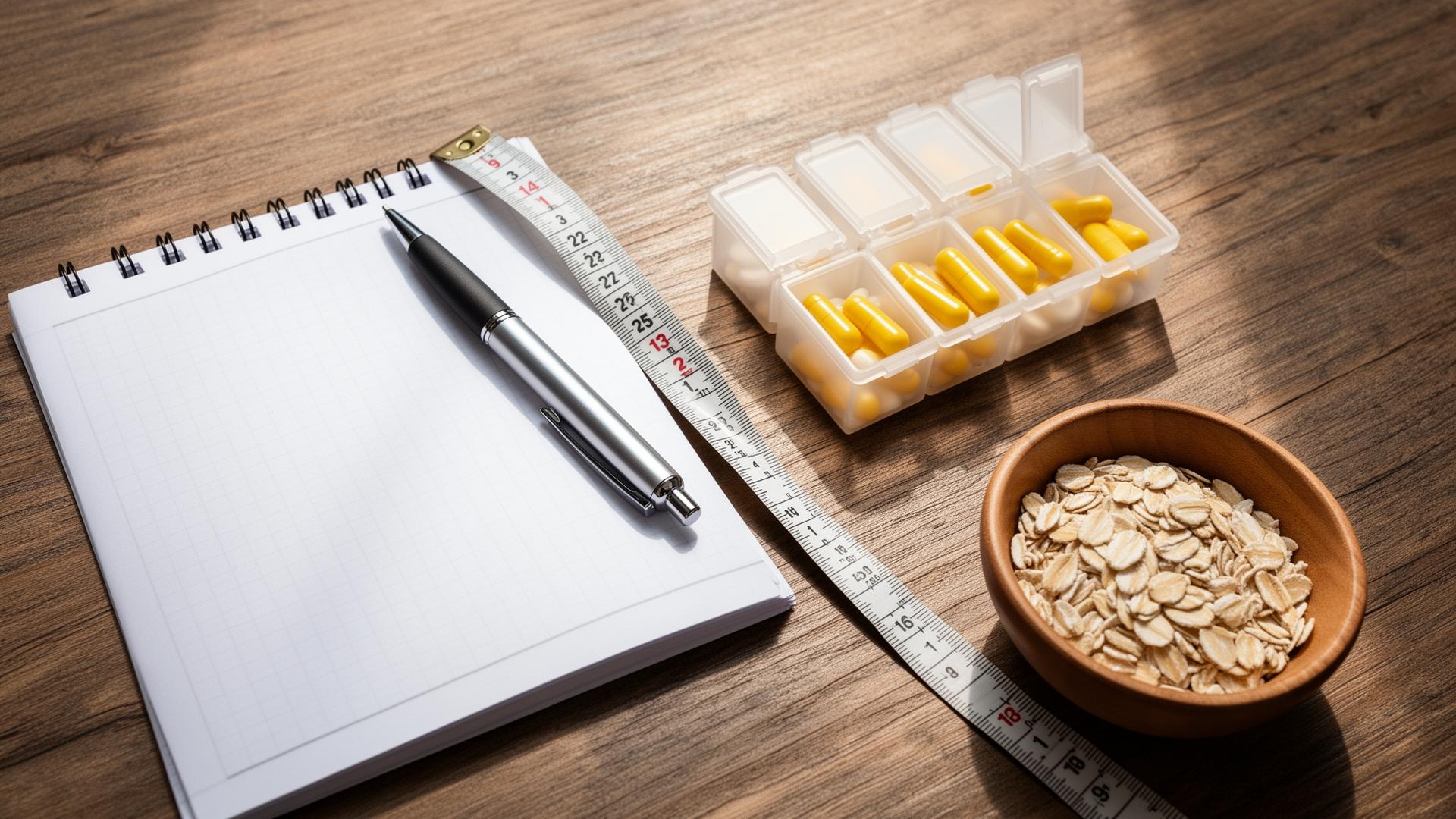
- Weight and waist circumference weekly, same day, same conditions
- GI symptoms — keep a simple log; if constipation or diarrhea persists beyond 2 weeks at full dose, taper down
If after 12 weeks there is no measurable change in glucose, lipids, or weight, the supplement is not working for you. Stop it. The honest reality is that a non-trivial minority of users see essentially no effect, and there is no reliable way to predict responders in advance.
The Bottom Line
Berberine is one of the few supplements with credible randomized-trial evidence for glucose and lipid effects in adults with metabolic dysfunction. It is not a natural version of Ozempic — the mechanism is different, the weight-loss effect is roughly an order of magnitude smaller, and it shouldn't be marketed as a GLP-1 alternative.
What it is: a reasonable, inexpensive adjunct for the right person — usually someone with prediabetes, mildly elevated LDL, or insulin resistance — who is already doing the lifestyle work, isn't pregnant, isn't on insulin, and has a clinician aware of all their other medications. Used that way, with proper monitoring and a quality product, the risk/benefit math is defensible. Used as a TikTok shortcut to skinny jeans, it will disappoint you and possibly interact with a medication you forgot to mention.
Talk to a clinician. Recheck labs at 12 weeks. Stop if it isn't working. That's the whole playbook.
Practical Checklist
- Confirm with your clinician or pharmacist that berberine does not interact with your current medications.
- Get baseline labs: fasting glucose, HbA1c, lipid panel, ALT/AST.
- Choose a product with USP, NSF, or ConsumerLab certification and standardized berberine content.
- Start at 500 mg once daily with food for 5-7 days, then titrate up to 500 mg three times daily.
- Re-check labs at 12 weeks; if no measurable change in glucose, lipids, or weight, stop.
- Stop at least 14 days before any scheduled surgery.
Frequently Asked Questions
Is berberine really like Ozempic?
No. Berberine activates AMPK and behaves more like metformin. Ozempic mimics GLP-1, slows gastric emptying, and acts on satiety centers in the brain. Average weight loss with berberine in trials is around 2 kg over 3-6 months versus 14-15% of body weight with semaglutide over 16 months.
How much weight will I actually lose on berberine?
Realistically 2-5 pounds over 3-6 months as part of a broader plan including diet and activity. Some people lose more, many lose nothing. It is not a primary weight-loss agent.
Can I take berberine with metformin?
Some clinicians do combine them, but only under supervision because the glucose-lowering effects add up and can cause hypoglycemia, especially with skipped meals or alcohol. Never start the combination on your own without telling your doctor.
What is the best dose?
1,500 mg per day split as 500 mg three times daily with meals. This is the dose used in most positive trials. Dihydroberberine and phytosomal forms use lower doses (100-200 mg twice daily) but have less outcome data.
How long until I see results?
Glucose changes can appear within 2-4 weeks. Cholesterol and weight changes usually require 8-12 weeks. Do not judge effectiveness before week 12, and recheck labs at that point.
Is it safe long-term?
Most randomized trials are 8-24 weeks long. We have very limited data beyond one year. Some practitioners suggest cycling 3 months on, 1 month off, though this is based on theory rather than trial evidence. Liver enzymes should be monitored if used chronically.
What are the most common side effects?
Gastrointestinal: constipation, diarrhea, gas, cramping, and a metallic taste. About 20-35% of users in trials report at least one of these. Most resolve in 1-2 weeks or with dose reduction. Take it with food.
Can I take berberine while pregnant or breastfeeding?
No. Berberine crosses the placenta and may displace bilirubin from albumin, raising the risk of kernicterus in newborns. It also passes into breast milk. Avoid in both situations.
Is dihydroberberine better than regular berberine?
It is absorbed several times more efficiently, so smaller doses can work, and GI side effects are often lower. However, far fewer randomized trials have used dihydroberberine, so the outcome evidence is thinner. Either form is reasonable; standard berberine has more data, dihydroberberine has better tolerability.
Sources & References
- Berberine in the Treatment of Type 2 Diabetes Mellitus: A Systematic Review and Meta-Analysis — Frontiers in Pharmacology link
- Berberine is a novel cholesterol-lowering drug working through a unique mechanism distinct from statins — Nature Medicine link
- Effect of berberine on insulin resistance in women with polycystic ovary syndrome — European Journal of Endocrinology link
- Lipid-lowering effect of berberine in human subjects and rats — Phytomedicine link
- Effects of berberine on weight loss: a systematic review and meta-analysis — Obesity Reviews link
- Once-Weekly Semaglutide in Adults with Overweight or Obesity (STEP 1 Trial) — New England Journal of Medicine link
- Berberine - LiverTox: Clinical and Research Information on Drug-Induced Liver Injury — National Institutes of Health link
- Berberine and its more biologically available derivative, dihydroberberine, inhibit mitochondrial respiratory complex I — Diabetes link
- Dietary Supplements: What You Need to Know — FDA Consumer Health Information link
Medical disclaimer
This article is health information for education only. It is not medical advice, a diagnosis or a treatment plan. In an emergency, call 911. Researched and drafted with AI-assisted tools and fact-checked by a human editor against the sources listed above. How we create our content.