Sleep Apnea Treatment 2026: CPAP vs Oral Appliance vs Inspire — Cost & Effectiveness Compared
CPAP, custom oral appliances, and Inspire stimulation compared side by side in 2026 — real costs, insurance coverage, effectiveness data, and how to choose based on your AHI and lifestyle.
By Symptom Advisory Editorial Team — last reviewed September 1, 2026 — 8 min read
Key Takeaways
- Roughly 80% of the estimated 30 million U.S. adults with obstructive sleep apnea remain undiagnosed; a home sleep test is the cheapest entry point.
- CPAP/APAP remains the gold standard for severe OSA, cutting AHI by 70–95% when used at least 4 hours per night, but 30–50% of patients abandon it within a year.
- Custom oral appliances are first-line for mild-to-moderate OSA and a strong CPAP alternative when intolerance is the issue — never use boil-and-bite drugstore snore guards for diagnosed apnea.
- Inspire is a real option for CPAP-intolerant patients with AHI 15–65 and BMI under 35, but eligibility requires a drug-induced sleep endoscopy (DISE).
- Five-year out-of-pocket costs in 2026 with insurance: CPAP ~$1,000–$3,000, oral appliance ~$400–$1,400, Inspire ~$1,000–$6,000 (one-time).
- Tirzepatide (Zepbound) is FDA-approved for moderate-to-severe OSA in adults with obesity and can be combined with — not instead of — airway therapy.
Sleep Apnea in 2026: A Bigger Problem Than You Think
Roughly 30 million U.S. adults have obstructive sleep apnea (OSA), and the American Academy of Sleep Medicine estimates around 80% remain undiagnosed. Untreated OSA is independently linked to hypertension, atrial fibrillation, stroke, type 2 diabetes, daytime crashes, and a measurable reduction in life expectancy. The good news: treatment options in 2026 are broader than ever — and not all of them involve a hose.
This guide walks you through the three mainstream paths most U.S. patients consider after a sleep study: CPAP (positive airway pressure), oral appliance therapy (custom dental devices), and Inspire upper-airway stimulation (an implanted device). We'll cover real-world costs in 2026, what insurance and Medicare actually cover, evidence-based effectiveness, side effects, and how to decide which one fits your apnea severity, anatomy, and budget.
Editorial note: This is educational information, not medical advice. OSA is a medical diagnosis that requires a sleep study and a qualified clinician. Talk to a board-certified sleep medicine physician before starting, stopping, or switching therapy.
How Sleep Apnea Is Diagnosed (and Why It Matters for Cost)
You cannot pick a treatment without first knowing your AHI — the Apnea-Hypopnea Index, which counts breathing pauses per hour of sleep.
- Mild OSA: AHI 5–14
- Moderate OSA: AHI 15–29
- Severe OSA: AHI 30+
Diagnosis happens in one of two ways:
- Home Sleep Apnea Test (HSAT): A small kit (finger oximeter, chest strap, nasal cannula) mailed to your home. Costs $150–$450 out of pocket, or roughly $0–$50 with insurance. Best for adults with a high pre-test probability of moderate-to-severe OSA and no major heart or lung disease.
- In-lab polysomnography (PSG): Overnight in a sleep lab with full EEG, EMG, and EKG monitoring. Sticker price $1,500–$5,000; with insurance, expect to pay your deductible plus 10–30% coinsurance. Required if you have complex comorbidities, suspected central apnea, or are being evaluated for Inspire.
If your insurance requires a CPAP trial before approving alternatives (most do), the diagnostic study is the gate. Skipping it means paying cash for everything downstream.
Option 1: CPAP — Still the Gold Standard
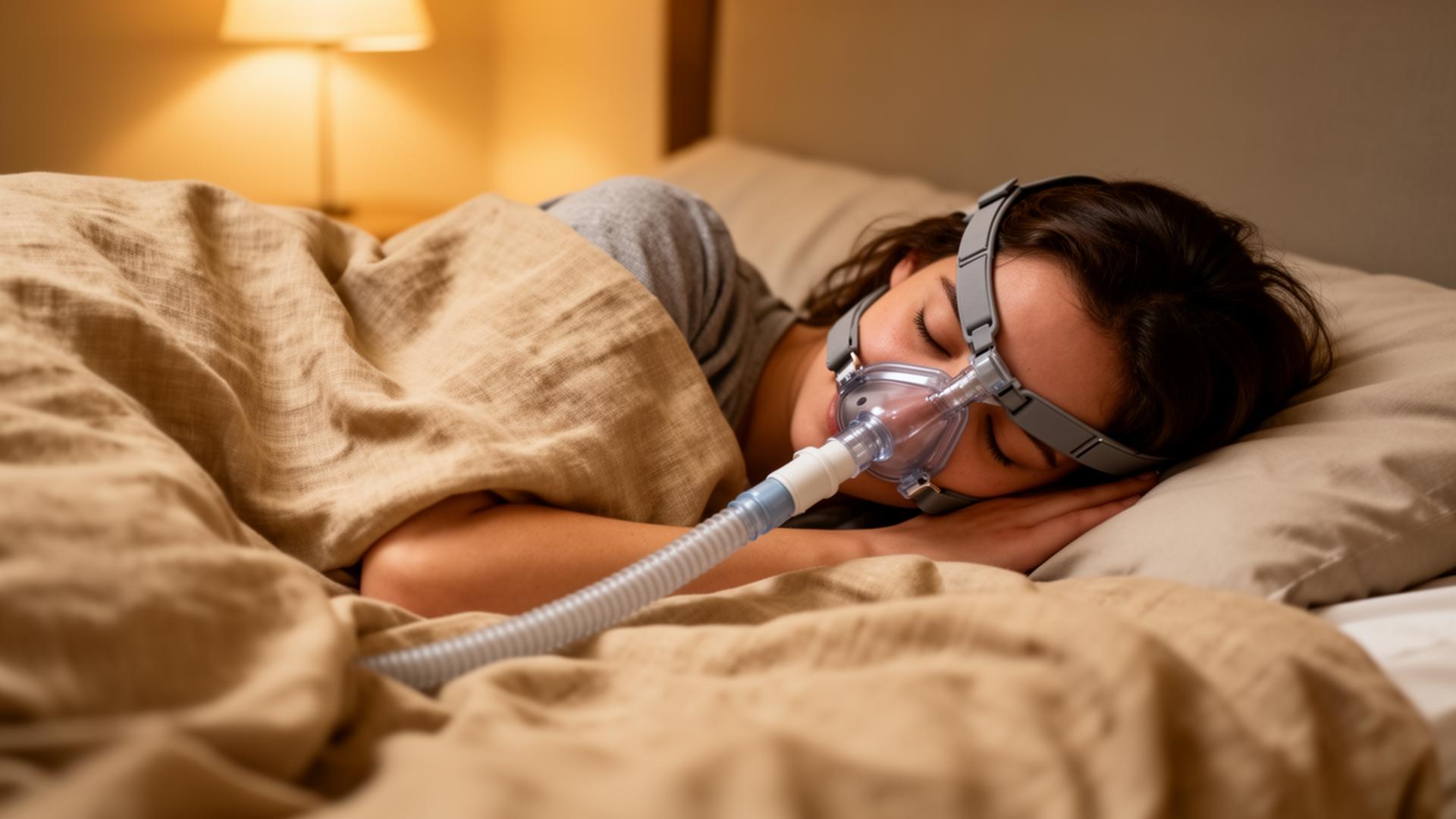
Continuous Positive Airway Pressure (CPAP) — and its cousins APAP (auto-adjusting) and BiPAP (bilevel) — pushes a gentle stream of pressurized air through a mask to keep your upper airway open. It is the most-studied, most-prescribed, and (when used consistently) most-effective therapy for OSA across all severities.
Effectiveness
Meta-analyses consistently show CPAP reduces AHI by 70–95% when worn ≥4 hours per night, normalizes oxygen saturation, and improves daytime sleepiness scores. The catch is adherence: roughly 30–50% of patients stop using CPAP within the first year, usually because of mask discomfort, claustrophobia, dry mouth, or partner-sleep issues.
2026 Cost Breakdown
- Machine (APAP, the modern default): $500–$1,200 cash; $0–$300 with insurance after deductible.
- Mask: $80–$200, replaced every 3–6 months.
- Hose, filters, water chamber: $50–$150/year.
- Annual supply cost (ongoing): $200–$600 cash, often $0 with in-network DME under Medicare and most commercial plans — but only if you meet compliance (typically ≥4 hours/night for 70% of nights in a 30-day window during the first 90 days).
- Telehealth CPAP services (Lofta, Aeroflow, CPAP.com): cash-pay model, no insurance, $700–$1,400 fully equipped, prescription included.
Who CPAP Fits Best
- Anyone with severe OSA (AHI ≥30)
- Patients with significant oxygen desaturation
- People who tolerate masks and travel infrequently
Option 2: Oral Appliance Therapy (Mandibular Advancement Devices)
A custom-fitted mandibular advancement device (MAD) looks like an athletic mouthguard but gently holds the lower jaw forward during sleep, opening the airway behind the tongue. The AASM and AADSM endorse oral appliances as first-line therapy for mild-to-moderate OSA and as a CPAP alternative for severe OSA when CPAP is not tolerated.
Effectiveness
Oral appliances reduce AHI by 40–60% on average and bring roughly 50–70% of mild-to-moderate patients below an AHI of 5. They are less powerful than CPAP head-to-head — but real-world adherence is much higher (~85% nightly use), so total nights of effective treatment can be comparable.
2026 Cost Breakdown
- Custom MAD from a sleep dentist (e.g., SomnoDent, ProSomnus, Herbst): $1,800–$3,500 total, including dental impressions, fitting, follow-up titration, and a post-treatment sleep study.
- Insurance coverage: Medicare and most commercial plans now cover MADs under medical (not dental) benefits when prescribed for OSA, with documented CPAP intolerance or mild-to-moderate severity. Expect to pay your deductible plus 20–40% coinsurance.
- Replacement: Every 3–5 years.
- Avoid: Boil-and-bite "snore guards" sold online for $50–$150 — they are not FDA-approved for OSA, frequently cause bite changes, and have no published efficacy data for apnea.
Who Oral Appliances Fit Best
- Mild-to-moderate OSA
- CPAP-intolerant patients
- Frequent travelers
- Side sleepers with positional apnea
Option 3: Inspire — Implanted Upper-Airway Stimulation
Inspire is an FDA-approved implantable device, sometimes described as a "pacemaker for the tongue." A small pulse generator placed under the collarbone sends mild stimulation to the hypoglossal nerve during sleep, moving the tongue forward and keeping the airway open. No mask, no hose, no nightly equipment.
Effectiveness
The pivotal STAR trial and 5-year follow-up data show Inspire reduces AHI by roughly 68% on average, with about 67% of patients achieving a ≥50% AHI reduction and an AHI below 20. Adherence is essentially 100% because the device runs automatically each night via a small remote.
2026 Eligibility (Important)
You must meet all of these criteria — Inspire is not for everyone:
- Age 18+ (the pediatric Down-syndrome indication has separate criteria)
- Moderate-to-severe OSA (AHI 15–65)
- BMI under 40 (most centers prefer under 35)
- Failure or intolerance of CPAP
- A specific airway-collapse pattern confirmed on drug-induced sleep endoscopy (DISE) — concentric collapse at the soft palate disqualifies you
2026 Cost Breakdown
- Total list price (device + implant surgery + activation): $40,000–$45,000.
- Medicare and most commercial insurers cover Inspire when criteria are met, including the DISE workup. Out-of-pocket typically runs $1,000–$6,000 depending on your deductible, coinsurance, and out-of-pocket maximum.
- Battery replacement: Surgical, every ~11 years; ~$15,000 list, again typically insurance-covered.
Who Inspire Fits Best
- CPAP-intolerant patients with moderate-to-severe OSA
- Non-obese patients (BMI <35)
- People who travel constantly or for whom CPAP is a deal-breaker
Realistic 5-Year Total Cost of Ownership
This is what most patients actually want to see. Estimates assume in-network insurance with an average $1,500–$3,000 annual deductible.
- CPAP (5 years): $1,000–$3,000 out of pocket (machine + masks + supplies) — or near $0/year after the first year if fully insured.
- Oral appliance (5 years): $400–$1,400 out of pocket for one device with insurance coverage; $2,500–$3,500 fully cash.
- Inspire (5 years): $1,000–$6,000 out of pocket one-time; effectively $0/year ongoing until battery replacement.
Cash-pay totals look very different. If you are uninsured, CPAP is by far the cheapest path; Inspire is generally not financially realistic without insurance.
What About Weight Loss, Surgery, and GLP-1s?
- Weight loss of 10–15% body weight reduces AHI by an average of 30–50% in patients with obesity-related OSA. In some mild cases, weight loss alone resolves apnea.
- Tirzepatide (Zepbound) received FDA approval in late 2024 for moderate-to-severe OSA in adults with obesity — see our GLP-1 comparison guide for cost and effectiveness details. SURMOUNT-OSA showed an average AHI reduction of around 27 events per hour.
- Traditional surgery (UPPP, tonsillectomy, maxillomandibular advancement): considered when anatomy is the primary driver and other options have failed. Costs and recovery vary widely; discuss with an ENT or oral-maxillofacial surgeon.
How to Choose: A 60-Second Framework
- AHI ≥30 + you tolerate masks? Start with APAP. It's the cheapest, fastest, most reversible path.
- AHI 5–29 + CPAP feels impossible? Get a sleep-dentist consult for a custom oral appliance.
- Failed CPAP, BMI under 35, AHI 15–65? Ask your sleep physician about Inspire eligibility and a DISE evaluation.
- BMI ≥30 + OSA? Discuss medical weight loss (including tirzepatide) in parallel with therapy — don't wait.
- Symptoms but no sleep study yet? Order an HSAT through your primary-care doctor or a telehealth sleep clinic. Treatment without a diagnosis is guesswork.
When to Seek Urgent Evaluation
Most OSA is chronic, not emergent. But call your doctor promptly — or go to urgent care — if you experience: witnessed apneas with chest pain, new-onset atrial fibrillation, morning headaches with confusion, fainting episodes, or severe daytime sleepiness that has caused near-misses while driving. These can be markers of severe untreated apnea or unrelated cardiac issues.
Practical Checklist
- Get a sleep study (HSAT or in-lab PSG) before buying any device — your AHI determines what your insurance will cover.
- Ask your insurer in writing what compliance threshold is required for CPAP coverage (usually 4 hours/night on 70% of nights in any 30-day window).
- If CPAP fails after 30 days of honest use, document the intolerance — that paperwork unlocks oral appliance or Inspire coverage.
- For oral appliances, see a dentist who is a Diplomate of the American Board of Dental Sleep Medicine (ABDSM) — not just any general dentist.
- Before considering Inspire, confirm BMI under 35 and request a DISE referral to rule out concentric palatal collapse.
- If your BMI is over 30, discuss medical weight loss (including GLP-1/GIP medications) with your primary care doctor in parallel with airway therapy.
Frequently Asked Questions
Is CPAP really the only effective treatment for sleep apnea?
No. CPAP is the most effective single therapy on average, but custom oral appliances and Inspire produce meaningful AHI reductions in the right patients, and weight loss can resolve mild OSA. The best treatment is the one you will actually use every night.
How much does CPAP cost without insurance in 2026?
A complete telehealth CPAP setup (machine, mask, hose, humidifier, prescription) runs $700–$1,400 cash. Ongoing supplies cost $200–$600 per year. That is dramatically cheaper than uninsured Inspire or oral appliance therapy.
Will Medicare cover Inspire?
Yes. Medicare covers Inspire when you have moderate-to-severe OSA, BMI under 40, documented CPAP intolerance, and a qualifying airway pattern on DISE. Out-of-pocket usually falls between $1,000 and $6,000 depending on your supplemental plan.
Are over-the-counter mouthguards okay for snoring or apnea?
They are not FDA-approved to treat diagnosed obstructive sleep apnea, and there is no peer-reviewed evidence they reduce AHI. They can also cause jaw pain, tooth movement, and bite changes. For diagnosed OSA, only a custom appliance from a qualified sleep dentist is appropriate.
How long does an oral appliance last?
A well-made custom MAD typically lasts 3–5 years before the material fatigues or your bite changes enough to need a remake. Annual dental follow-ups are recommended to monitor for jaw and tooth changes.
Does losing weight cure sleep apnea?
It can, in milder cases. A 10–15% reduction in body weight cuts AHI by 30–50% on average. Severe OSA usually persists at a lower level even after significant weight loss, so do not delay treatment while you work on weight.
Can I use CPAP and Inspire together?
Generally no — once Inspire is activated, it replaces CPAP. Some patients keep a CPAP for occasions like respiratory infections, but the device is designed as a standalone therapy.
What happens if I just ignore my sleep apnea?
Untreated moderate-to-severe OSA significantly increases your risk of hypertension, atrial fibrillation, stroke, heart failure, type 2 diabetes, motor vehicle accidents, and all-cause mortality. It is not a benign snoring problem.
How do I find a qualified sleep medicine doctor or dentist?
Use the AASM directory (sleepeducation.org) for board-certified sleep physicians and the AADSM directory (aadsm.org) for qualified dental sleep medicine providers.
Sources & References
- Obstructive Sleep Apnea — Clinical Practice Guideline — American Academy of Sleep Medicine link
- Hypoglossal Nerve Stimulation for Obstructive Sleep Apnea (STAR Trial, 5-Year Outcomes) — The Laryngoscope / Inspire Medical Systems link
- Tirzepatide for the Treatment of Obstructive Sleep Apnea (SURMOUNT-OSA) — New England Journal of Medicine, 2024 link
- Oral Appliance Therapy for Obstructive Sleep Apnea — Practice Parameters — American Academy of Dental Sleep Medicine link
- CPAP Adherence: A Review of Strategies to Improve Use — Sleep Medicine Reviews link
- Sleep Apnea — Medicare Coverage Database (LCD L33718) — Centers for Medicare & Medicaid Services link
- FDA Approves Zepbound for Moderate-to-Severe OSA in Adults with Obesity — U.S. Food and Drug Administration link
- Effect of Weight Loss on Upper Airway Anatomy and OSA — American Journal of Respiratory and Critical Care Medicine link
- Drug-Induced Sleep Endoscopy: Technique and Interpretation — Otolaryngologic Clinics of North America link
Medical disclaimer
This article is health information for education only. It is not medical advice, a diagnosis or a treatment plan. In an emergency, call 911. Researched and drafted with AI-assisted tools and fact-checked by a human editor against the sources listed above. How we create our content.