How to Build a Sustainable Morning Health Routine (Backed by Science)
Forget the 90-minute Instagram ritual. Here are the seven evidence-based morning habits that actually move the needle on energy, focus, and metabolic health — and how to layer them in without burning out.
By Symptom Advisory Editorial Team — last reviewed September 1, 2026 — 5 min read
Key Takeaways
- Consistent wake time (within 30 minutes daily) is the single highest-leverage sleep habit.
- 5–10 minutes of morning sunlight in the eyes anchors your circadian rhythm and boosts daytime alertness.
- Drinking 16–20 oz of water before caffeine reduces afternoon energy crashes.
- Delaying caffeine 60–90 minutes after waking aligns with — instead of competing against — your natural cortisol peak.
- 10–20 minutes of morning movement improves insulin sensitivity for the next 24 hours.
- A 30–40 g protein breakfast outperforms most carb-heavy options for satiety and glucose control.
- Build the routine two habits at a time — don't try to install all seven at once.
Why mornings matter more than you think
What you do in the first 60–90 minutes after waking quietly programs the rest of your day — your cortisol curve, your insulin sensitivity, your alertness, even your evening sleep pressure. Researchers at the National Institutes of Health and Stanford have shown that consistent morning behaviors are among the strongest predictors of long-term metabolic and mental health.
A "morning health routine" doesn't have to be a 90-minute Instagram ritual. The most sustainable routines are short (15–30 minutes), evidence-based, and require almost no willpower once they're built. This guide walks through the seven habits that show up repeatedly in the scientific literature, in the order they work best.
1. Wake at a consistent time — within a 30-minute window
Sleep researcher Dr. Matthew Walker at UC Berkeley calls consistent wake time "the single most important sleep habit" — more important than total sleep duration in many studies. Your circadian rhythm is anchored by when you wake, not when you go to bed. Aim to keep your weekday and weekend wake time within 30 minutes of each other. The result is faster morning alertness, deeper nighttime sleep, and a more stable mood across the week.
2. Get bright light in the eyes within 30 minutes of waking
Stanford neuroscientist Dr. Andrew Huberman has popularized what sleep researchers have known for years: morning sunlight exposure suppresses melatonin, sets your master clock, and triggers a healthy cortisol pulse that boosts alertness for the next 8–10 hours. Aim for 5–10 minutes of natural outdoor light (longer on overcast days) without sunglasses. A walk to the mailbox counts.
3. Drink 16–20 oz of water before coffee
You wake up mildly dehydrated after 7–9 hours without fluids. Even a 1–2% drop in body water has measurable effects on cognitive performance, headaches, and mood. Drinking 500 ml of water before caffeine also blunts the morning cortisol spike less aggressively than coffee alone, and helps the body process caffeine without dehydration. A pinch of salt or electrolytes is helpful for anyone training in the morning.
4. Delay caffeine by 60–90 minutes
Cortisol naturally peaks 30–45 minutes after waking. Stacking caffeine on top of that peak produces a short-term jolt but leads to the well-known "afternoon crash" and gradual caffeine tolerance. Waiting 60–90 minutes before your first cup allows cortisol to do its job, then uses caffeine to extend alertness rather than spike it. Most people who try this for two weeks report reducing total daily caffeine without losing energy.
5. Move your body for 10–20 minutes
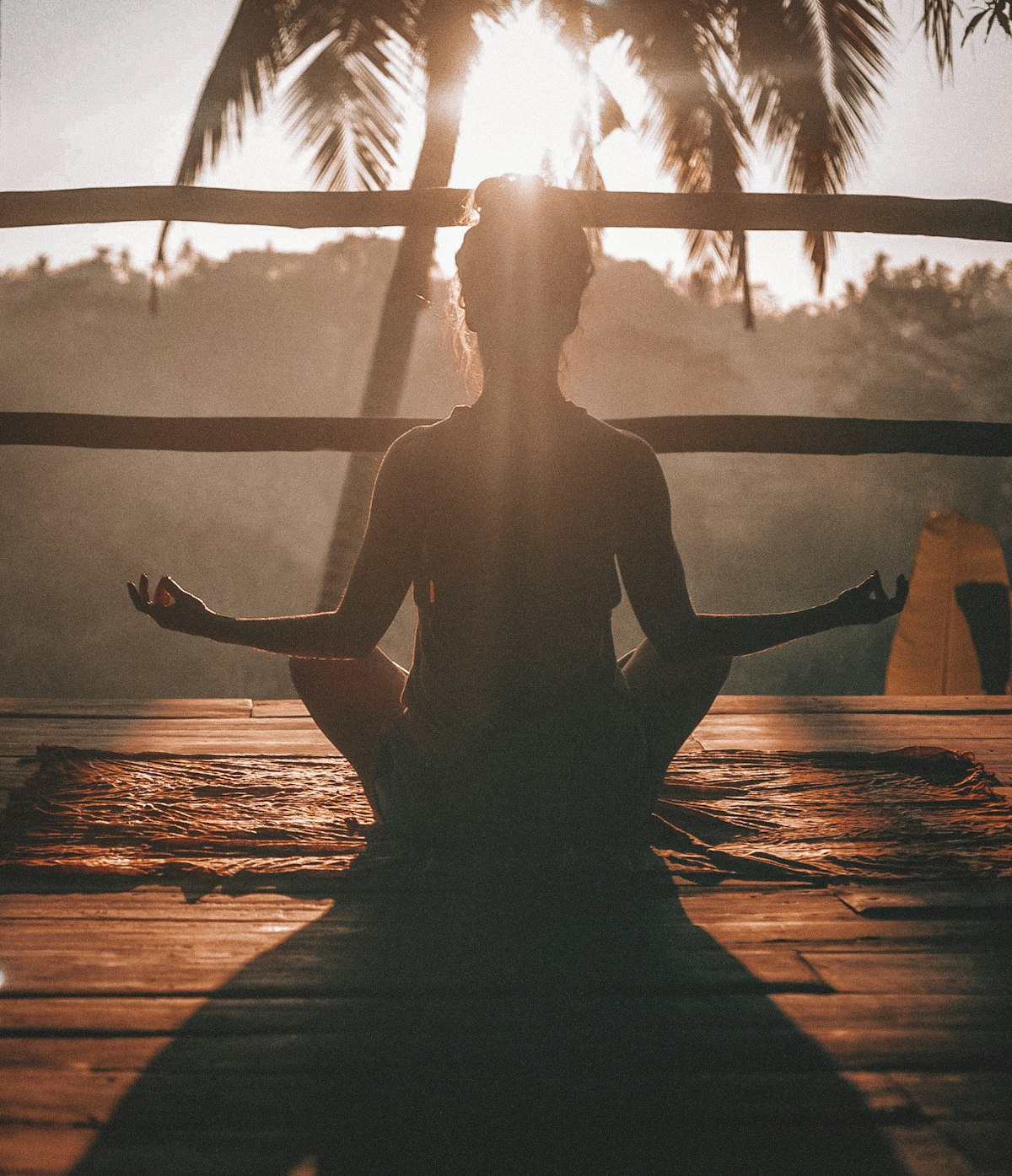
You don't need a workout — you need movement. A brisk 15-minute walk, 10 minutes of bodyweight exercises, or a yoga flow all produce measurable improvements in:
- Insulin sensitivity for the next 24 hours (especially helpful for prediabetes and PCOS)
- BDNF (brain-derived neurotrophic factor), which supports memory and mood
- Lymphatic drainage and joint lubrication after a night of stillness
If you have only five minutes, do 30 air squats and 10 push-ups. Done.
6. Eat a protein-forward breakfast (or skip it intentionally)
The "skip breakfast vs eat breakfast" debate has more nuance than the headlines suggest. What the data consistently shows:
- A breakfast with 30–40 g of protein improves satiety, reduces afternoon snacking, and stabilizes glucose better than a carb-heavy meal of the same calories.
- Intermittent fasting until noon is also fine for many adults, but only if your pre-noon performance and mood don't suffer.
- A bagel with cream cheese is the worst-of-both-worlds option for most people — high glycemic load with little protein.
Examples of a 30 g protein breakfast: 3 eggs + 0.5 cup cottage cheese; Greek yogurt + 1 scoop whey + berries; tofu scramble with hemp seeds.
7. Spend 5 minutes on a "no-screen" mental input
Doom-scrolling for the first 30 minutes of your day primes your nervous system for reactive, fragmented attention. Replacing those minutes with one of the following has measurable effects on stress and focus through midday:
- Five-minute breathwork (box breathing, 4-7-8, or physiological sighs)
- Two pages of any book — fiction or non-fiction
- A short journaling prompt ("What's one thing I want today to feel like?")
- Five minutes of meditation (apps like Insight Timer or Calm work)
How to actually build this routine
- Don't add all seven at once. Pick the easiest two and run them daily for two weeks before adding a third.
- Stack new habits onto existing ones. Drink water while the kettle boils. Get sunlight while walking the dog.
- Make the cue obvious. Put a glass of water on your nightstand. Lay out walking shoes by the door.
- Track for 14 days only. A simple paper checklist on the bathroom mirror works better than any app for the first two weeks.
- Allow a "minimum viable morning." On bad days, do a 5-minute version of the routine. Streaks beat intensity.
Common mistakes
- Copy-pasting a celebrity routine. Your sleep need, stress load, and chronotype are not theirs.
- Cold plunging without context. Useful for some, but stress-additive for others — especially women in the luteal phase. Not foundational.
- Doing the routine on weekdays only. The biggest gains come from circadian consistency across all 7 days.
- Skipping breakfast and skipping caffeine and doing fasted cardio. Stacking three stressors is rarely sustainable past the second week.
Bottom line
A great morning routine isn't a 90-minute productivity Olympics. It's two to four small, repeatable behaviors — anchored to a consistent wake time and morning light — that compound over weeks. Start with the easiest two. Adjust monthly. The routine that you actually do every day beats the perfect routine you do for a week.
Practical Checklist
- Pick a consistent weekday + weekend wake time within a 30-minute window
- Get 5–10 minutes of outdoor light within 30 minutes of waking
- Place a 16–20 oz water bottle on your nightstand tonight
- Delay your first coffee until 60–90 minutes after waking
- Schedule a 10–20 minute walk or movement block
- Plan a 30 g protein breakfast (or set an intentional fasting window)
- Replace the first 5 minutes of phone time with breathwork or reading
- Track adherence on paper for 14 days before adding the next habit
Frequently Asked Questions
How long should a morning routine actually take?
For most adults, 20–30 minutes is the sweet spot for sustainability. Routines longer than 60 minutes have a much higher dropout rate within 30 days, according to behavior-change research.
Is it bad to drink coffee right after waking?
Not dangerous, but suboptimal. Cortisol naturally peaks 30–45 minutes after waking, and stacking caffeine on top contributes to mid-afternoon energy crashes and faster tolerance build-up.
What if I'm not hungry in the morning?
Then don't force a meal. Intermittent fasting until noon is metabolically fine for many adults. The key is: when you do break the fast, prioritize 30+ g of protein.
Does morning exercise really help with sleep that night?
Yes. Morning movement combined with light exposure increases evening sleep pressure and shifts the circadian rhythm earlier — leading to faster sleep onset and more deep sleep.
Should I take a cold shower in the morning?
Optional, not foundational. Cold exposure has modest benefits for alertness and brown fat, but it's an additional stressor. Get the basics (light, water, movement) right first.
What if I work night shifts?
The principles still apply, but anchored to your wake time, not the clock. Get bright light in the eyes when you wake, even at 8 PM. Use blackout curtains during your sleep window.
How long until I notice a difference?
Most people report better afternoon energy within 5–7 days. Sleep quality usually improves by week 2. Insulin and metabolic markers shift over 4–8 weeks.
Sources & References
- Circadian Rhythms — Health Information — National Institutes of Health link
- Consistent Wake Time and Sleep Architecture — Walker, M. — Why We Sleep (UC Berkeley) link
- Morning Light Exposure and Circadian Health — Huberman Lab Publications — Stanford Medicine link
- Hydration Status and Cognitive Performance — American Journal of Clinical Nutrition link
- Cortisol Awakening Response and Caffeine Timing — Journal of Caffeine Research link
- Acute Effects of Brief Morning Exercise on Insulin Sensitivity — Diabetes Care link
- High-Protein Breakfast and Appetite Regulation — American Journal of Clinical Nutrition link
- The Best Diet — Quality Counts — Harvard T.H. Chan School of Public Health link
- How Much Sleep Do I Need? — CDC link
- Exercise and Stress: Get Moving to Manage Stress — Mayo Clinic link
Medical disclaimer
This article is health information for education only. It is not medical advice, a diagnosis or a treatment plan. In an emergency, call 911. Researched and drafted with AI-assisted tools and fact-checked by a human editor against the sources listed above. How we create our content.